How Removing Old Stumps Helps Stop Root Rot and Soil Damage
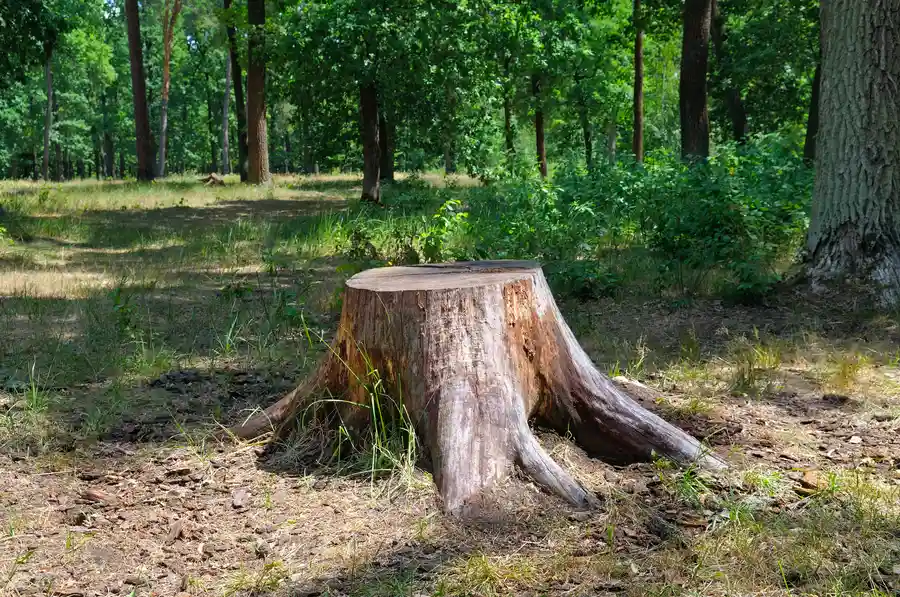
The impact of stump removal on preventing root decay is simple. When a tree stump is left in the ground, the roots under it slowly rot. That rot can spread through the soil and affect nearby plants, grass, and even other trees. By removing the stump and major roots, you stop decay at the source and protect your yard from future damage.

Why Prevention Matters
A leftover stump may not look like a big deal at first. It seems small and harmless. But under the surface, roots can stretch many feet. As they break down, they attract insects, fungus, and mold. This can weaken the soil structure and create soft spots in your yard.
In some cases, root decay spreads to nearby healthy trees. Fungal growth can travel through connected root systems. That puts your landscape at risk. Early stump removal helps prevent these hidden problems before they start.
Early Warning Signs of Root Decay
You may not always see root rot right away. Still, there are signs to watch for after a tree is cut down.
- Soft or sinking ground near the stump
- Mushrooms growing around old roots
- A strong, musty smell in the soil
- Yellowing grass in patches
- Increased insect activity like termites or ants
If you notice one or more of these signs, the stump could already be breaking down below ground. Acting early can stop wider damage.
Seasonal and Routine Checklist
Making stump checks part of your yard care routine is smart. Each season brings different risks.
- Inspect old stumps in spring for fungus growth.
- Check for standing water around the base after heavy rain.
- Look for pest activity during warmer months.
- Remove loose bark or debris sitting on the stump.
- Schedule stump removal before winter if decay has started.
Moist weather speeds up rotting. Summer heat can also increase insect activity. Staying alert through the year helps you catch issues early.
Best Practices for Long-Term Results
The best way to avoid root decay problems is full stump removal. Grinding the stump below soil level removes most of the decaying wood. In some cases, larger root systems may also need to be addressed.
After stump removal, it helps to:
- Fill the hole with clean soil or mulch
- Compact the area to prevent sinking
- Plant grass or new landscaping promptly
- Keep the area properly drained
Proper cleanup reduces the chance of fungus returning. It also keeps your yard level and safe. This is especially helpful in commercial properties that rely on professional service to maintain safe outdoor spaces.
What Not to Do
Some homeowners try to let a stump rot naturally. While this seems easy, it often leads to more issues. Natural decay can take years. During that time, the stump becomes a host for pests and disease.
Avoid using chemicals without guidance. Certain products may harm nearby plants or contaminate soil. Burning a stump is also risky and often restricted by local rules. Quick shortcuts can create bigger problems later.
When to Schedule Professional Help
Small stumps might seem simple to handle. But large tree stumps have deep and wide root systems. Heavy equipment is often required for safe stump removal. Professionals can grind the stump to the right depth and check for spreading decay.
You should reach out for help if:
- The stump is large or near a structure
- Roots are lifting sidewalks or driveways
- You see signs of fungus spreading
- The ground is becoming uneven
Professional stump removal reduces the risk of long-term soil damage. It also protects nearby trees and landscaping investments.
Protect Your Landscape With Timely Action
If you have an old stump on your property in Brooksville, FL, addressing it now can help stop root decay before it spreads. At Mike’s Outdoor Services LLC, we handle stump removal safely and thoroughly, taking care to protect your soil and surrounding plants. Call (352) 234-8185 to schedule service or ask questions about your yard, and we will be glad to help you plan the next steps.